
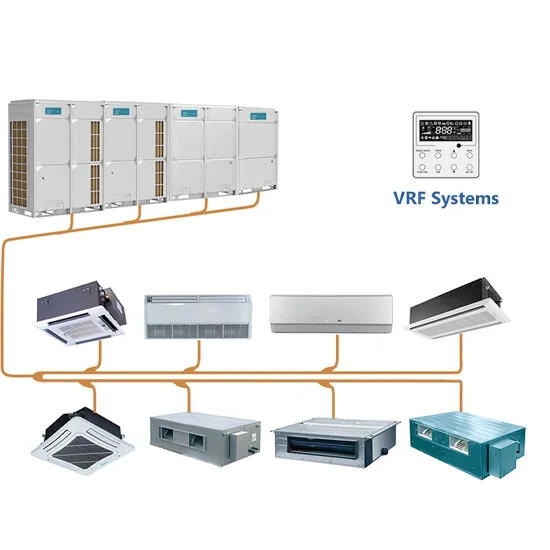
VRF Air-Conditioning Systems
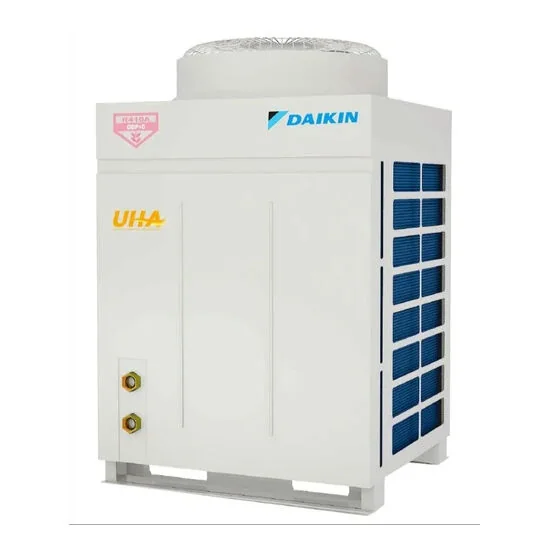
Variable refrigerant flow systems for buildings requiring flexible temperature control across multiple zones.
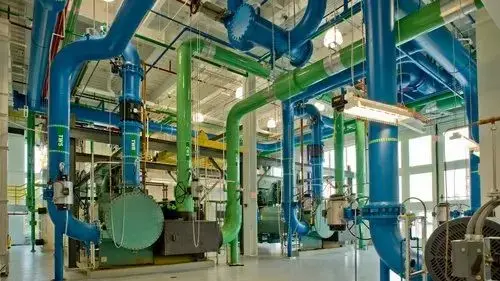
Sofia Cooltech Engineers is an HVAC and MEP contractor based in Jaipur, Rajasthan, serving projects across India and selected international markets. Our HVAC scope covers design and heat-load calculation, equipment supply, complete installation, testing, commissioning, air and water balancing, preventive maintenance and AMC. An in-house team of more than 50 members handles execution.
HVAC engineering integrates cooling equipment, air distribution, piping, insulation, controls and commissioning so the whole system functions as planned. The right layout depends on the building, its occupancy, operating pattern, environmental needs and available plant space.
Depending on the agreed scope, our involvement can cover requirement assessment, heat-load calculations, equipment selection, technical coordination, installation, testing, balancing, commissioning and maintenance.
We supply and install HVAC equipment from leading brands, including Daikin, Voltas, Blue Star and Tata, selecting the right make and model for each project based on the cooling requirement, budget and site conditions.
The HVAC scope can also be coordinated with other building services when they form part of the same project, including cooling tower systems, ventilation and exhaust, electrical and control systems and fire protection.
Ventilation, filtration and humidity control also decide how healthy the air inside a building is. Our indoor air quality in HVAC guide explains how these parts work together.
The exact scope varies by project. Typical requirements can include:
Good HVAC execution starts with understanding the application and coordinating the system before installation begins. The following sequence describes the typical approach; individual project responsibilities depend on the agreed scope.
HVAC projects run better when engineering, supply and site execution stay with one accountable team. The following points describe how our HVAC work is organised.
HVAC equipment should be selected according to the application, cooling requirement, system design, available space, operating conditions and project specifications. The equipment shown below covers major air-conditioning, central-cooling and air-side components used across different project types.
Depending on the project requirement and budget, we supply and install air-conditioning and HVAC equipment from leading brands such as Daikin, Voltas, Blue Star and Tata, along with other reputed manufacturers. Brand and model selection is finalised according to the cooling load, application, site conditions and client preference for each project.
Variable refrigerant flow systems for buildings requiring flexible temperature control across multiple zones.
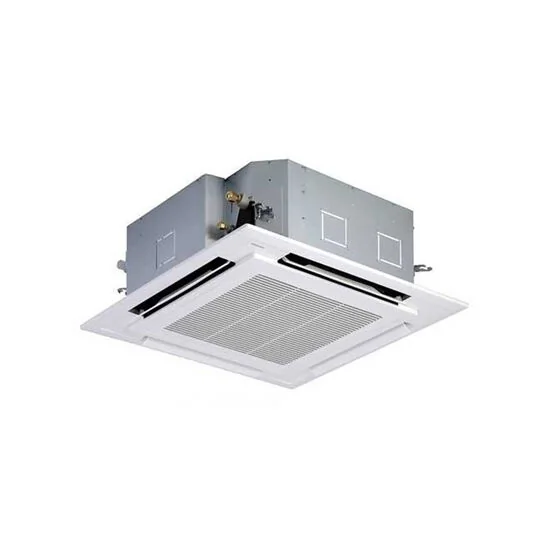
Ceiling-mounted units suited to commercial rooms and spaces requiring distributed air delivery.
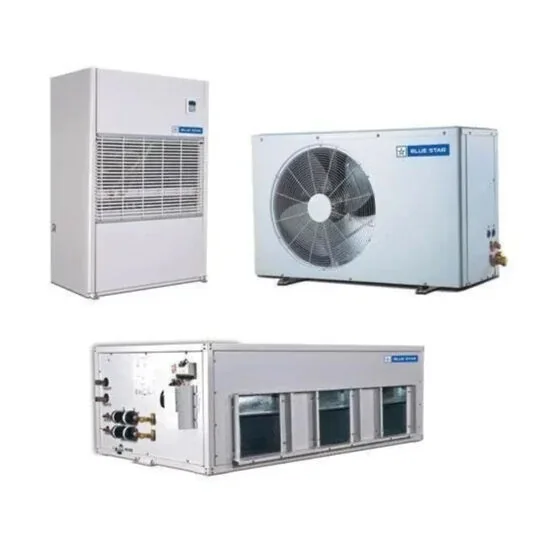
Ductable and packaged arrangements where concealed or packaged cooling is appropriate.
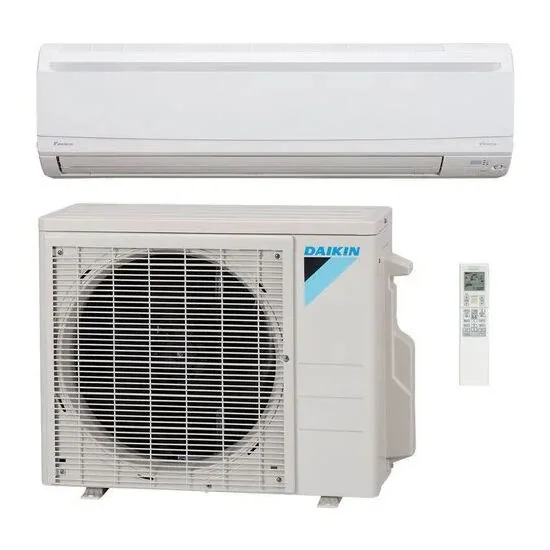
Individual-room air-conditioning equipment for applications where independent units are suitable.
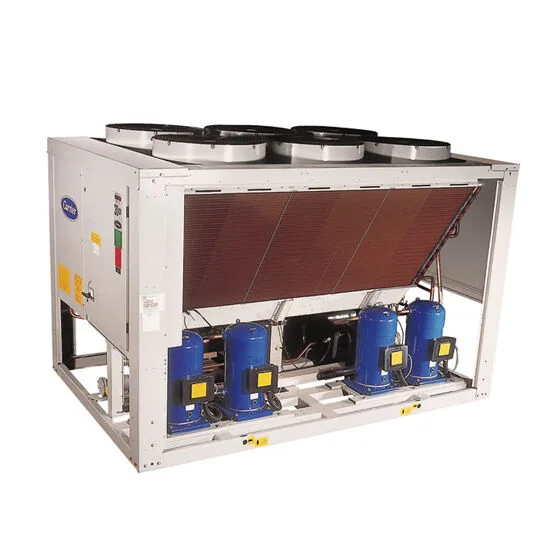
Air-cooled chiller equipment for central chilled-water applications using air-side heat rejection.
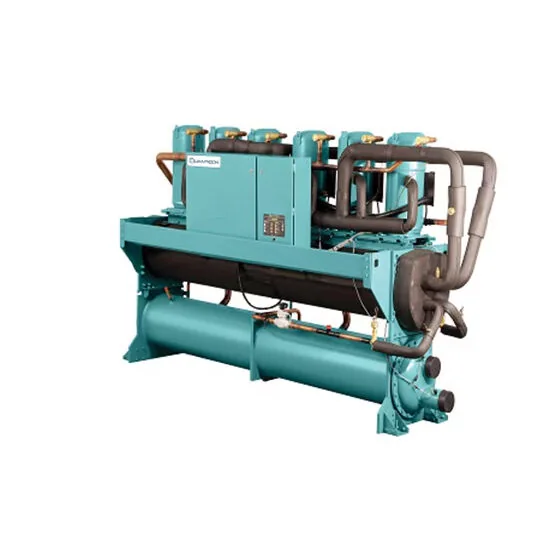
Chiller equipment for central cooling systems using a chilled-water circuit and water-side heat rejection.
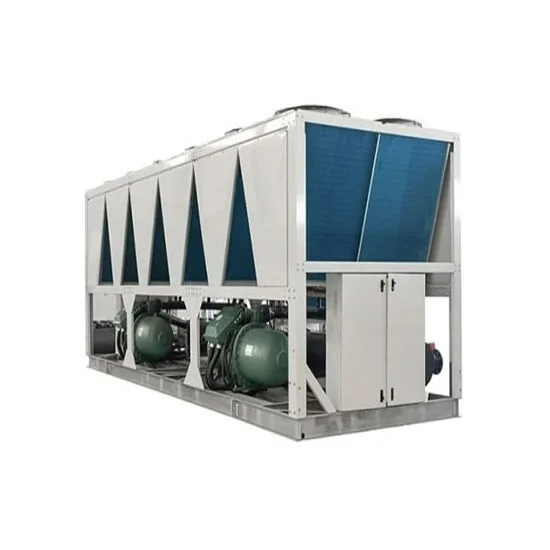
Screw chiller equipment for central cooling applications requiring a larger chilled-water plant arrangement.
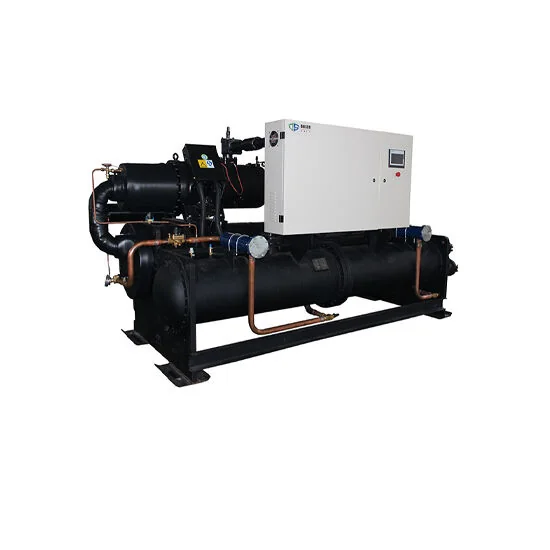
Water-cooled screw chiller equipment for central chilled-water applications.
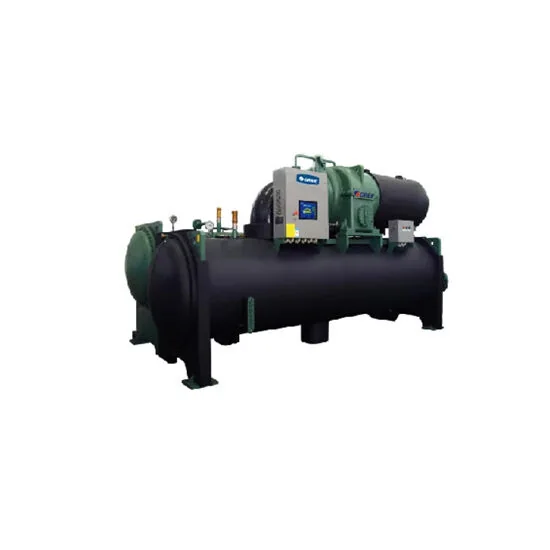
Centrifugal chiller equipment for central cooling plants with substantial chilled-water requirements.
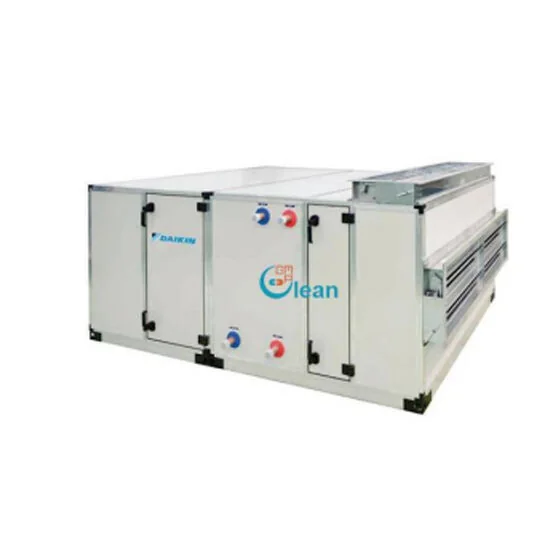
AHUs condition and distribute air within central HVAC systems serving different types of facilities.
Air-washing equipment for applications requiring specific air treatment and environmental conditioning.
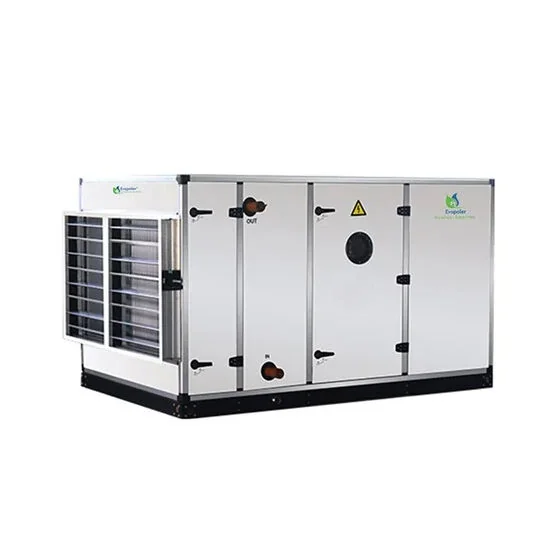
Air-washing systems for applications where additional air treatment and conditioning are required.
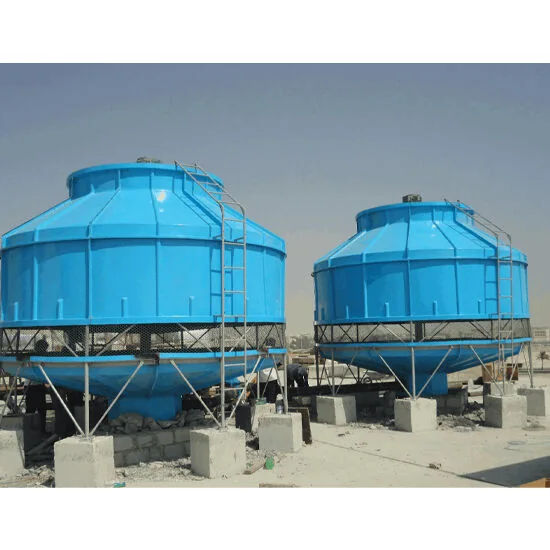
Heat-rejection equipment used with applicable central HVAC and process-cooling arrangements. See our cooling tower solutions and services.
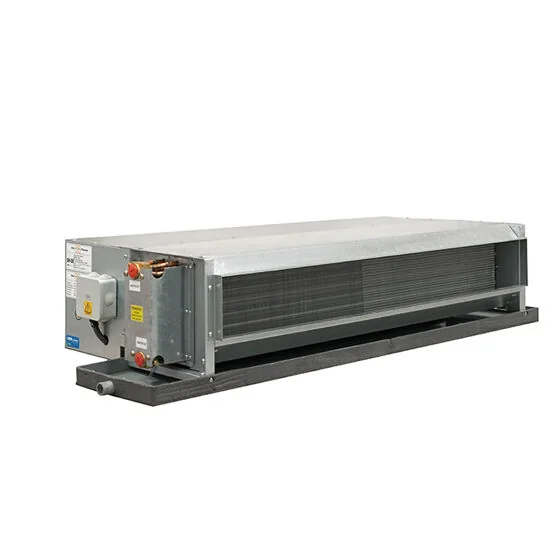
FCUs provide local air-side cooling within chilled-water systems serving individual zones or spaces.
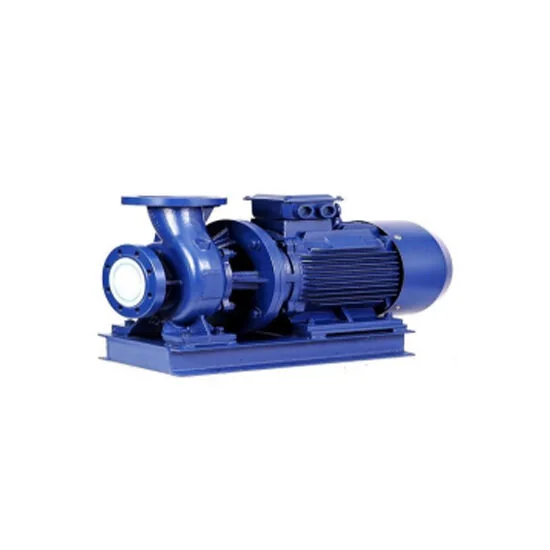
Pumping equipment used for chilled-water circulation in central cooling systems.
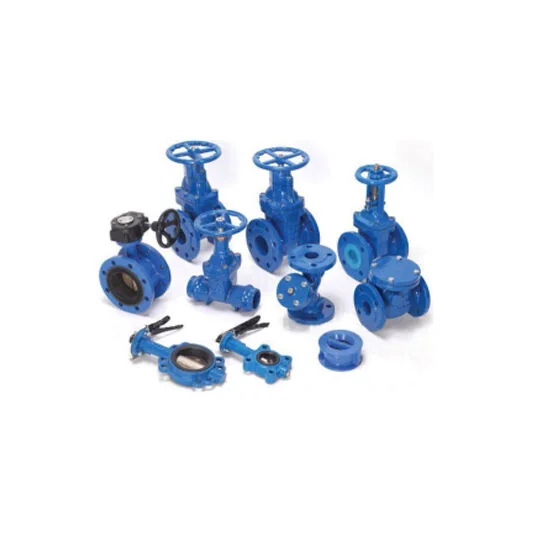
Components used for isolation, regulation and flow management within HVAC piping systems.
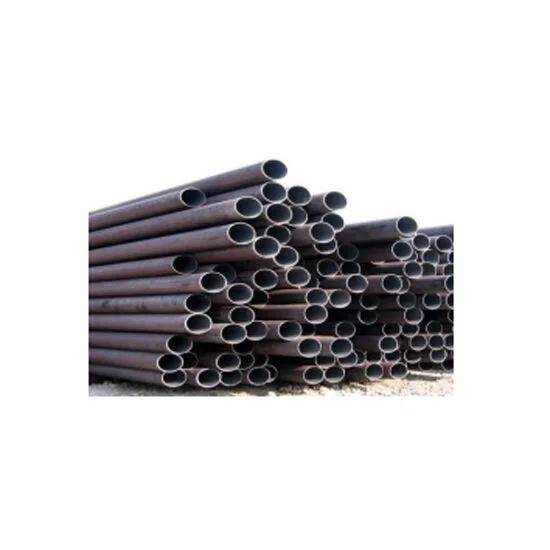
Piping forms the circulation network for chilled-water and other applicable mechanical cooling systems.
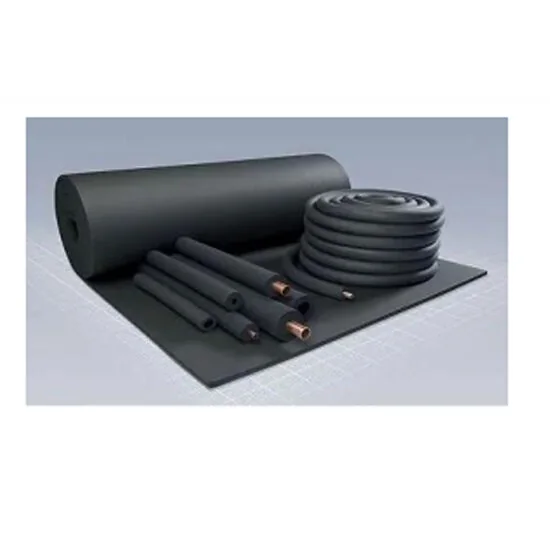
Thermal insulation helps control heat transfer and condensation around applicable ducts and piping.
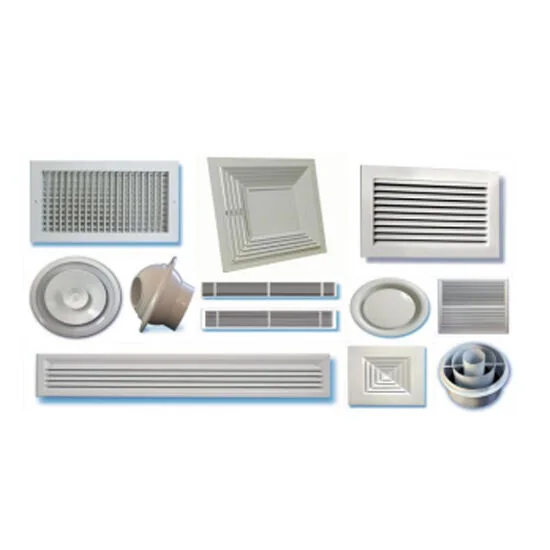
Air-distribution components used to deliver conditioned air according to the system design.
HVAC work can be delivered as a complete project package or as a defined engineering, supply, installation, commissioning or maintenance scope. The final responsibility depends on the project's specifications and contractor structure.

Engineering translates thermal and operational requirements into a coordinated mechanical system before site execution.

Site execution brings equipment, ductwork, piping, insulation and air-distribution components together within the approved scope.

Commissioning checks installed systems and verifies applicable operating, airflow, water-flow and control parameters.
Planned maintenance helps identify developing issues and maintain equipment in suitable operating condition.
Certain facilities require closer consideration of airflow, filtration, temperature, humidity and operating conditions.
Major HVAC installations interact with other mechanical, electrical and building services. Early coordination helps address routing, plant space, controls and interfaces.
HVAC design changes with the way a facility operates. Cooling, ventilation, zoning, filtration and environmental requirements can vary considerably between different building types.
Sofia Cooltech Engineers reports experience across 500+ projects in India and international markets. The wider project portfolio includes HVAC and MEP requirements across healthcare, pharmaceutical, hospitality, manufacturing, food-processing, commercial and other building applications.
Project requirements can differ substantially even within the same industry. Building use, occupancy, operating schedules, equipment selection, plant-room constraints and system interfaces all influence the engineering and execution approach.
Explore our HVAC and MEP projects across India for additional project context, or review client testimonials for customer feedback represented on the website.
Sofia Cooltech Engineers is based in Jaipur, Rajasthan and supports HVAC and MEP requirements across India, including commercial, industrial, healthcare, hospitality and manufacturing projects in cities such as Delhi NCR, Mumbai, Hyderabad and Ahmedabad.
For other Indian locations, project enquiries can be assessed according to the project type, location, drawings, equipment requirements and required execution scope. See HVAC & MEP project coverage across India for more detail.
Sofia Cooltech Engineers also supports selected international HVAC and MEP requirements from its Jaipur engineering base. The company's broader international coverage extends across the Middle East, Africa and Southeast Asia.
Markets represented across the website include UAE, Saudi Arabia, Oman, Turkey, Nigeria, Ghana, Tanzania, Kenya, Egypt, Libya, Sri Lanka, Indonesia, Vietnam, Malaysia and Singapore.
International requirements are assessed according to project location, building application, technical specifications, equipment requirements, site conditions and the agreed scope. Engineering and execution responsibilities are confirmed during project discussions.
For an international HVAC or MEP requirement, visit our project enquiry page to share the initial details.
HVAC installations often share plant rooms, service routes, ceilings, controls and electrical interfaces with other building services. The following Sofia Cooltech pages provide more information about those connected disciplines.
To start an HVAC discussion, share the building type, project location, approximate area, current project stage and the system being considered, if known. Existing drawings, specifications, equipment schedules or tender documents can also help establish the technical scope.
Whether the requirement involves a new installation, equipment supply, system modification, commissioning, maintenance or AMC, the available information can be reviewed to determine the appropriate next technical steps.
For HVAC requirements in Jaipur, across India or selected international markets, use the options below or visit Contact Sofia Cooltech Engineers to discuss the project.