Frequently Asked Questions About HVAC & MEP Engineering Knowledge
These answers address practical questions around planning, design, coordination, installation, testing and maintenance. Final technical and commercial scope depends on the actual project brief and agreed responsibilities.
What should an HVAC engineering article explain before equipment selection?
It should clarify the building requirement, load, ventilation, operating profile, system interfaces and the limits of generic rules before a specific equipment choice is made.
How can technical articles help facility managers?
They can help facility teams understand symptoms, maintenance priorities, terminology and the information an engineer may need for a more focused review.
Why should floor area not be the only basis for HVAC sizing?
Floor area does not capture occupancy, solar gain, equipment heat, ventilation, envelope performance or operating schedules. A calculated load provides a stronger basis.
What is the practical purpose of HVAC zoning?
Zoning groups spaces with similar loads or schedules so temperature control can respond to actual use instead of treating the whole building as one condition.
Why does ventilation add to cooling load?
Outdoor air enters at ambient conditions and may need cooling or dehumidification. The ventilation strategy therefore influences both indoor air quality and system capacity.
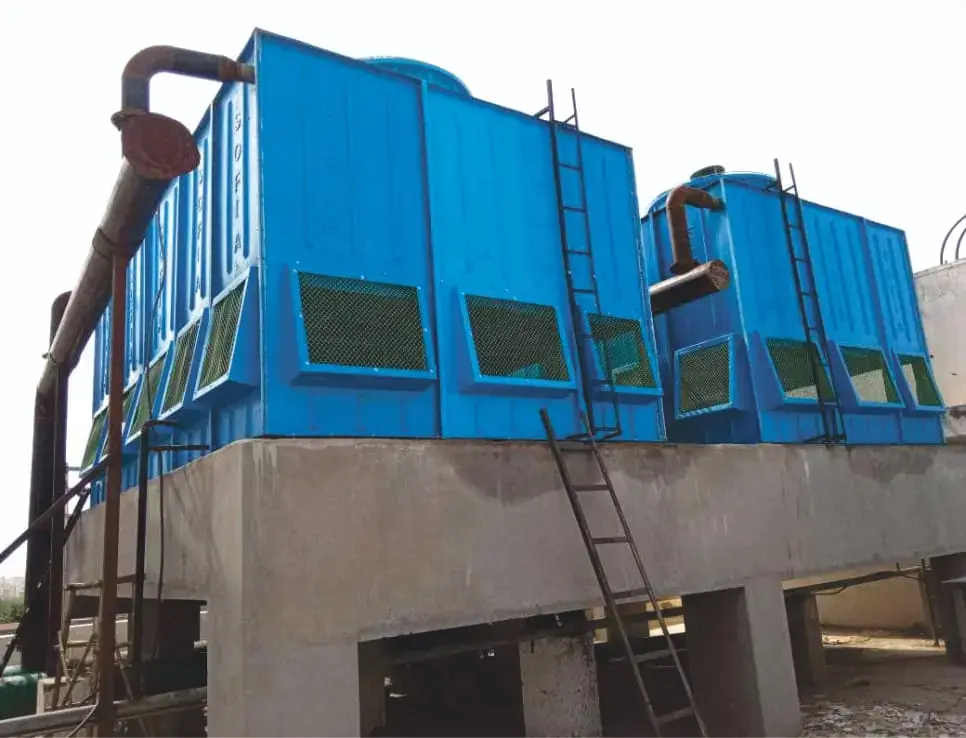
What should be checked when reading a cooling-tower article?
Look for heat-rejection duty, design temperatures, water flow, ambient wet-bulb condition, water quality and maintenance requirements rather than focusing on tower size alone.
Why are fire and HVAC interfaces discussed together?
Ducts, shafts, penetrations and shutdown signals can cross discipline boundaries. Understanding these interfaces early reduces coordination problems during construction.
What makes an MEP article useful for project planning?
Useful guidance connects technical principles to decisions about drawings, equipment space, utilities, controls, commissioning and maintenance without pretending that one solution fits every building.
How should energy-efficiency advice be applied?
Use it as a framework for comparing load sizing, equipment efficiency, controls, variable-speed operation, schedules and maintenance against the actual operating profile.
Why are commissioning topics important for HVAC readers?
Commissioning provides a structured way to verify that installed equipment, flows, temperatures, pressures and controls match the agreed design intent.
What information improves an HVAC technical discussion?
Project location, facility type, approximate capacity, operating hours, drawings, existing equipment and the specific problem or objective make a technical discussion much more useful.
How can retrofit guidance differ from new-build guidance?
Retrofits must account for retained equipment, existing routes, limited access, live operations and shutdown windows, while new builds can protect plant space and service routes earlier.
Why does climate matter in engineering content?
Outdoor temperature, humidity, dust and seasonal variation influence load, ventilation, filtration, corrosion considerations and equipment operating conditions.
What should be considered when comparing HVAC technologies?
Compare technically suitable options on load capability, part-load performance, controls, space, maintenance, energy use and system interfaces rather than headline price alone.
Why should generic rules of thumb be treated carefully?
Rules of thumb can help explain concepts but cannot replace project-specific load calculations, equipment data, applicable requirements and site conditions.
How do controls influence HVAC performance?
Controls coordinate sensors, dampers, valves, drives, staging and schedules so equipment responds to actual conditions instead of operating unnecessarily at full output.
Why are maintenance considerations included in engineering articles?
A technically sound system still needs safe access, replaceable components, isolation points and practical service routes to remain useful throughout its operating life.
Can technical articles help before requesting a quotation?
Yes. They can help define the problem and collect the right documents, but a quotation should still be based on the actual scope and project information.
What makes HVAC content suitable for AEO-style questions?
Clear definitions, direct answers, practical decision factors and explicit limits make engineering information easier for users and answer systems to understand.
How should I move from an article to a project enquiry?
Summarise the facility, location, project stage, required discipline and main technical issue, then provide the drawings or equipment information available.