
1. Understand the Project
We review the building application, available drawings, protected areas and the anticipated use of the facility.
Sofia Cooltech Engineers designs, installs, tests and commissions fire fighting and fire protection systems — hydrants, sprinklers, fire pumps, alarms and suppression — for commercial, industrial, healthcare and hospitality buildings, and assists clients through the Fire NOC process from documentation to final inspection.
Based in Jaipur, Rajasthan, the team supports projects across 30+ Indian cities and select markets in the Middle East, Africa and Southeast Asia.
Scope depends on the building and the risk it presents — a manufacturing facility, hospital, hotel, warehouse and cinema each have different layouts, occupancies and protection needs. We design the system around those specific conditions rather than applying one template everywhere.
Fire safety planning starts before installation. The building, protected areas, equipment, access needs and links with other building services are all considered so the project can follow a clear scope.
We review the building application, available drawings, protected areas and the anticipated use of the facility.
The project is planned around the required combination of hydrants, sprinklers, pumps, detection, suppression and associated equipment.
Equipment and system components are supplied and installed, with fire protection work coordinated against the wider building services.
The completed installation is inspected, tested and commissioned before handover, with Fire NOC support arranged alongside it where required.
Fire prevention needs depend on occupancy, equipment, processes, storage, access and building configuration. A hospital's requirement looks quite different from an industrial plant, hotel, warehouse or food processing facility.
India-based project coverage includes Jaipur, Delhi, Mumbai, Lucknow, Hyderabad, Bengaluru, Ahmedabad, Chennai and other Indian cities depending on project requirements, alongside select international markets.
For an Indian project, see our India projects and engineering coverage for more on the locations and applications we support.
Fire protection performance comes from the entire installation, not a single component. The equipment below is representative of what's used within fire-water, alarm and suppression systems, as per project design.
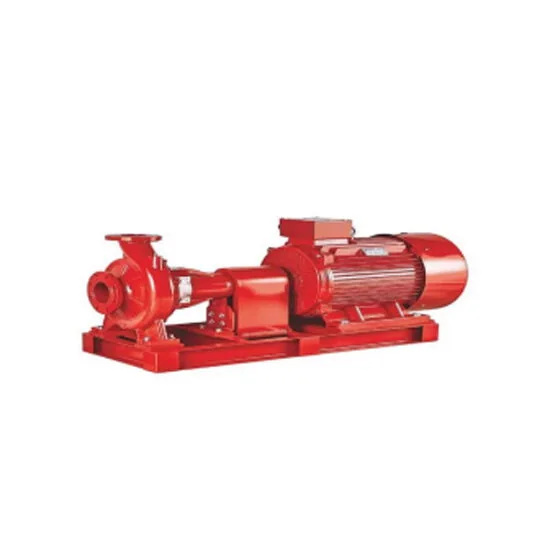
Electrical fire pumps form part of the pumping arrangement used to maintain the required water flow and pressure in a fire protection network.
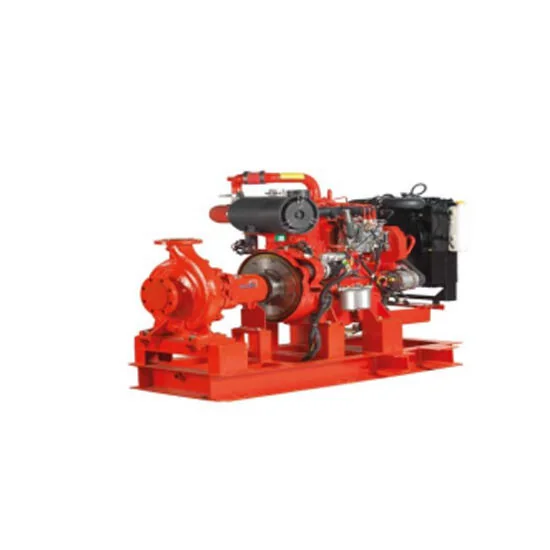
Diesel fire pumps provide a backup pumping source within a fire-water system where the project design calls for diesel-driven equipment.
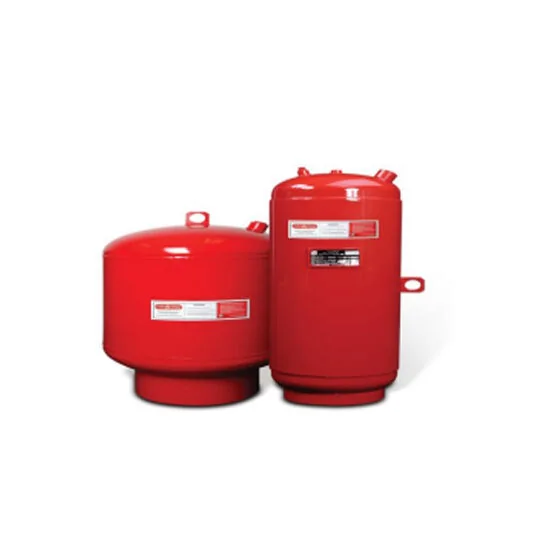
Expansion equipment accommodates changes in water volume and pressure within suitable fire protection water arrangements.
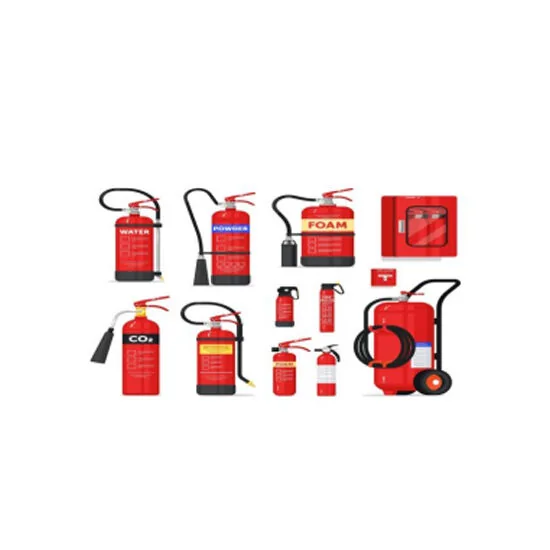
Portable extinguishers are selected according to the fire class, location and application, providing an accessible first-response option.
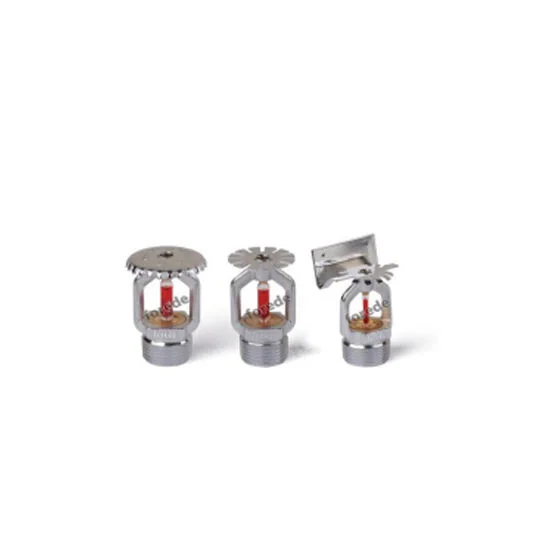
Sprinkler heads are installed at designated locations to provide automatic water discharge for the protected area.
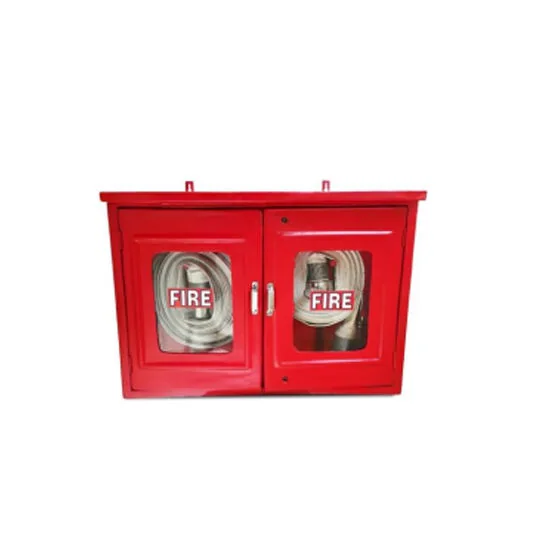
Fire hose boxes provide an organised enclosure for firefighting hose and associated equipment at designated locations.
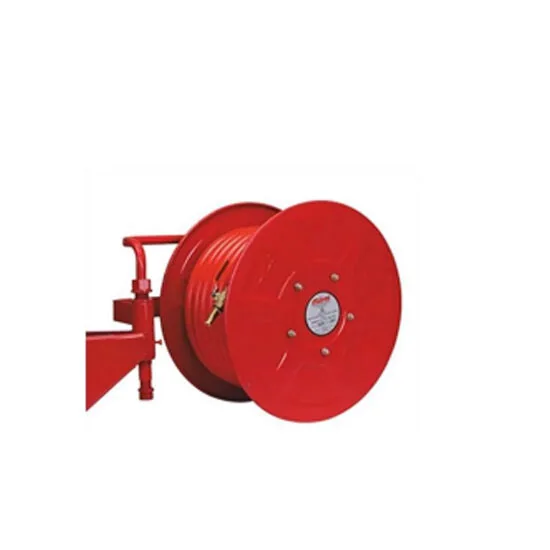
Hose reel drums provide a compact, organised way to store and deploy firefighting hose within a building.
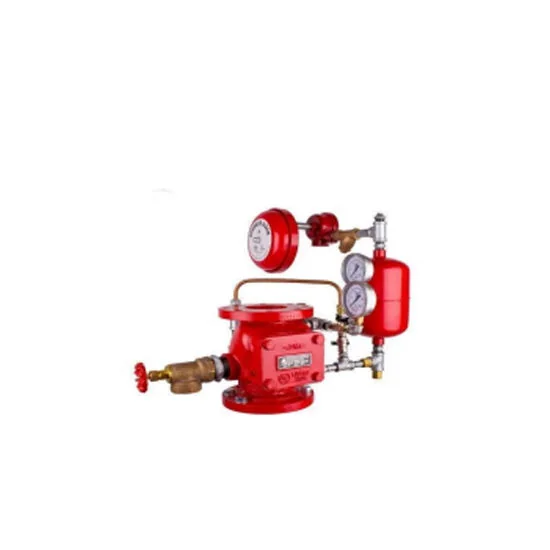
Check valve arrangements help control water flow direction within fire protection piping systems.
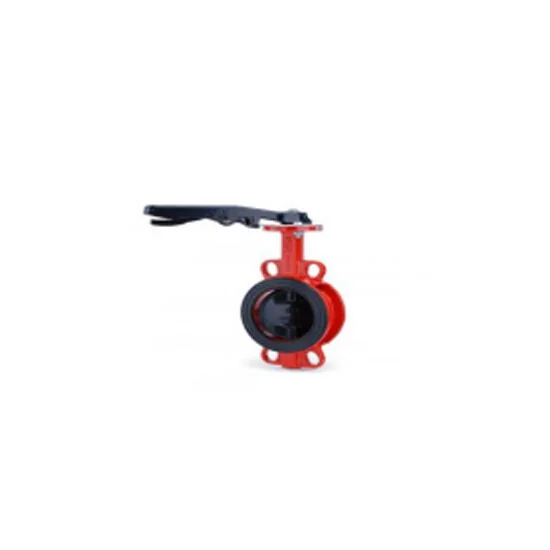
Butterfly valves are used for isolation and flow management at selected points in fire-water distribution networks.
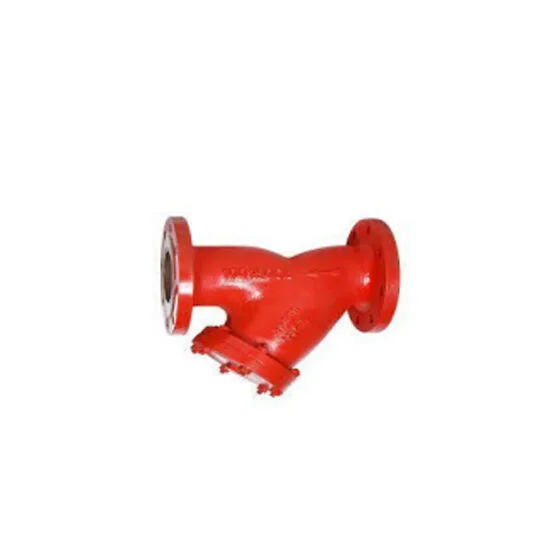
A Y-strainer protects downstream equipment by filtering particles from the water flow in suitable installations.
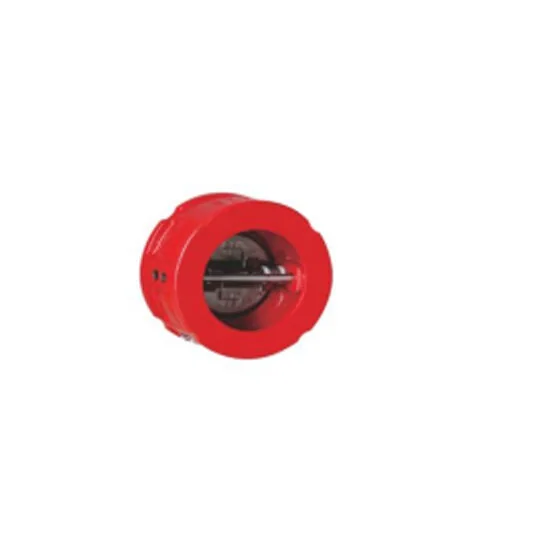
Check valves are installed where controlled one-way water movement is required within the piping arrangement.
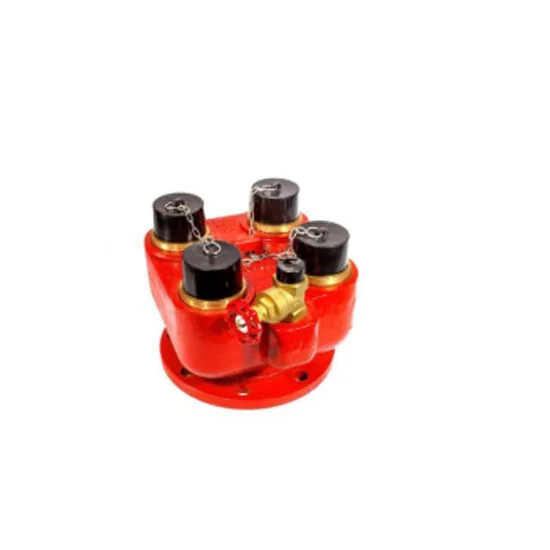
Fire brigade connections provide an external connection point for firefighting water arrangements where required.
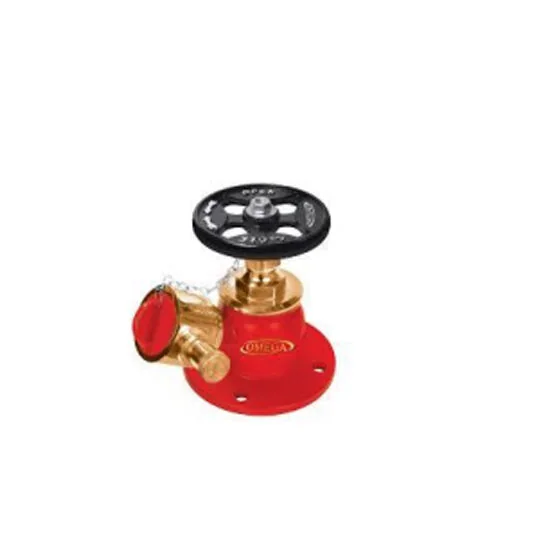
Landing valves provide designated hose connection points within fire hydrant and riser installations.
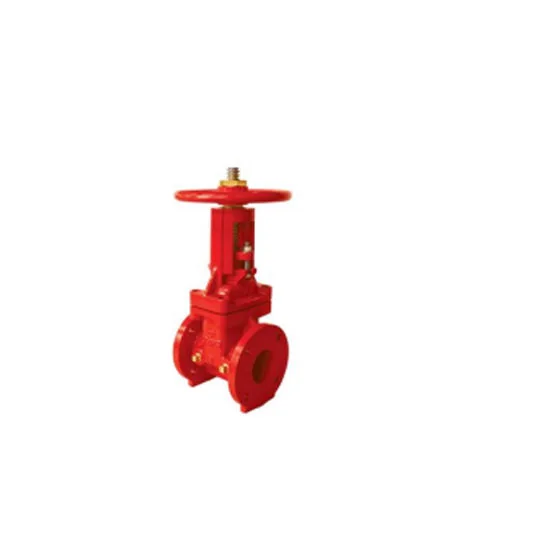
Gate valves isolate sections of a fire-water network for operation, inspection or maintenance.
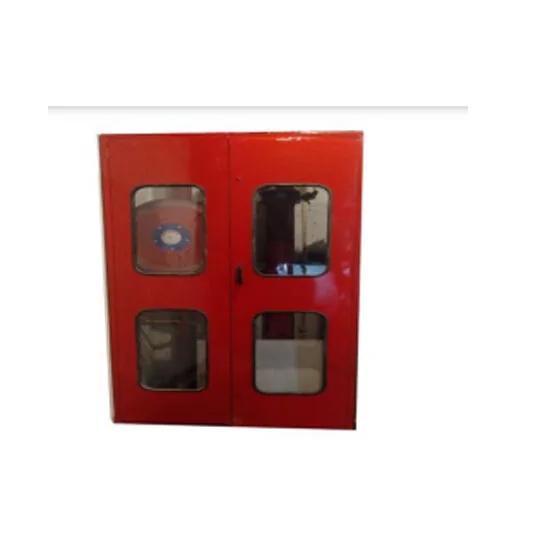
Fire doors are used at selected openings to help maintain separation between protected spaces during a fire event.
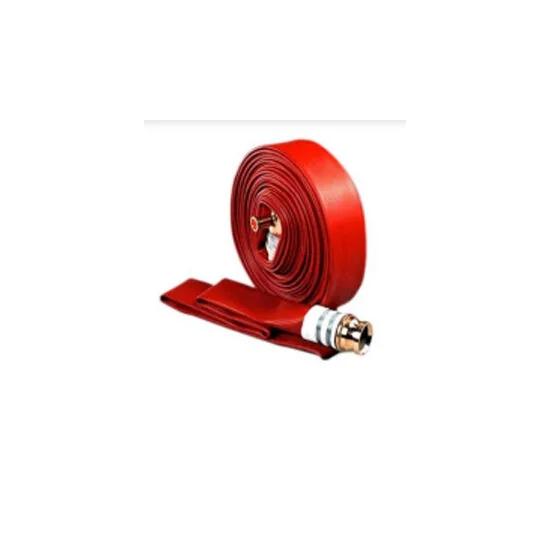
RRL hose pipes form part of firefighting hose arrangements used with hydrant and hose equipment.
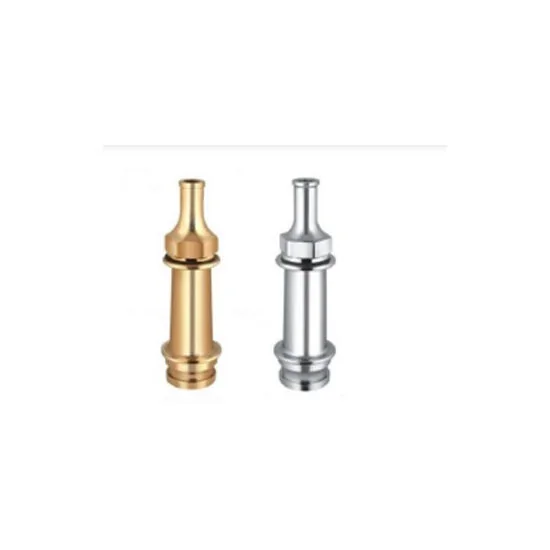
Branch pipes and nozzles direct firefighting water from hose arrangements toward the intended area.
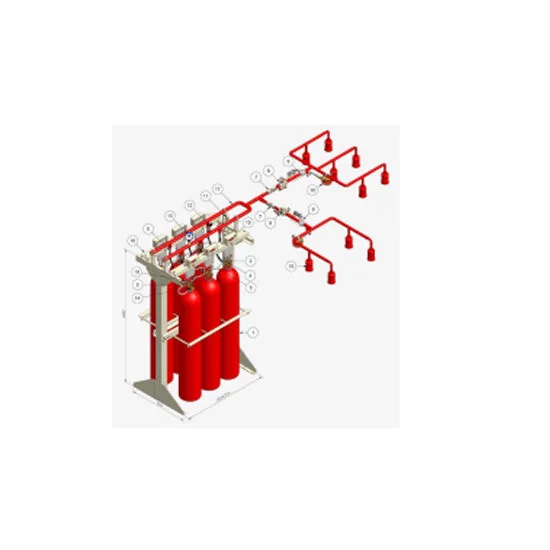
CO2 suppression can be considered for selected applications where gaseous fire suppression suits the protected area.
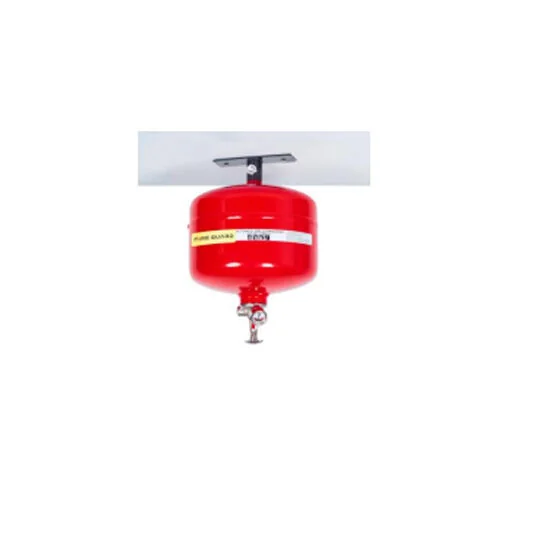
Automatic extinguishing devices provide localised protection for suitable equipment or areas needing an automatic response.
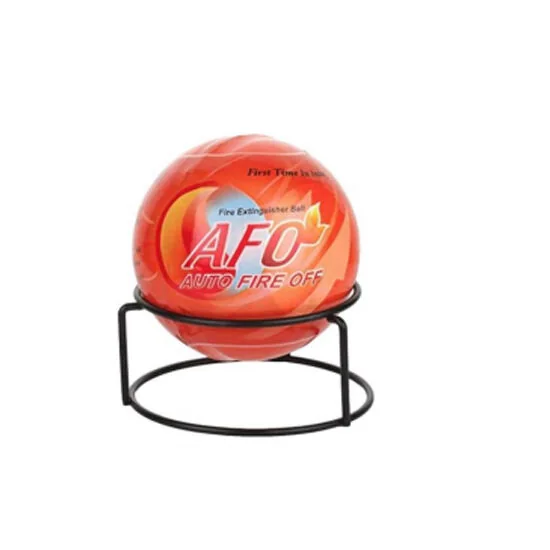
Fire ball devices offer a compact fire response option for select applications where such equipment is suitable.
Fire alarm systems rely on synchronised detection and notification components. Final selection depends on project design and the environment being safeguarded.
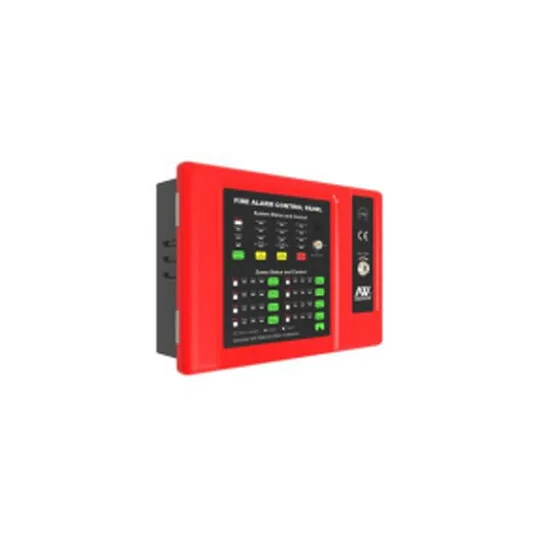
The control panel is the central point of a fire alarm system, receiving and processing signals from connected detection devices.
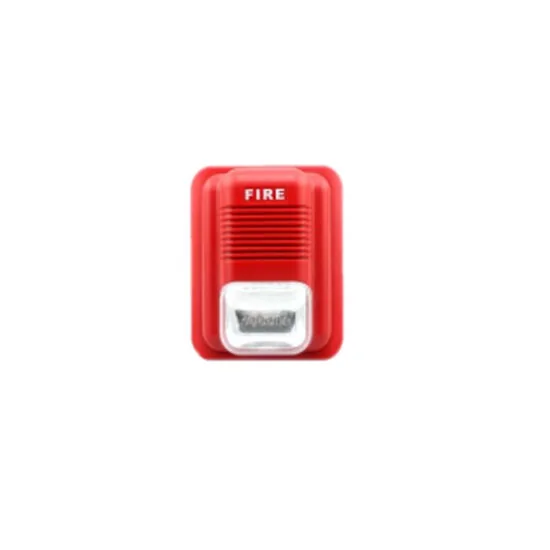
Fire hooters provide audible alarm notification to occupants when the connected fire alarm system is activated.
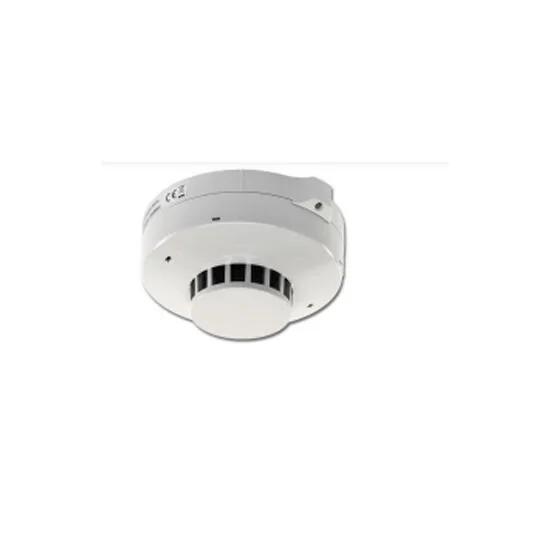
Smoke detectors monitor suitable areas for smoke conditions and signal the control panel when activated.
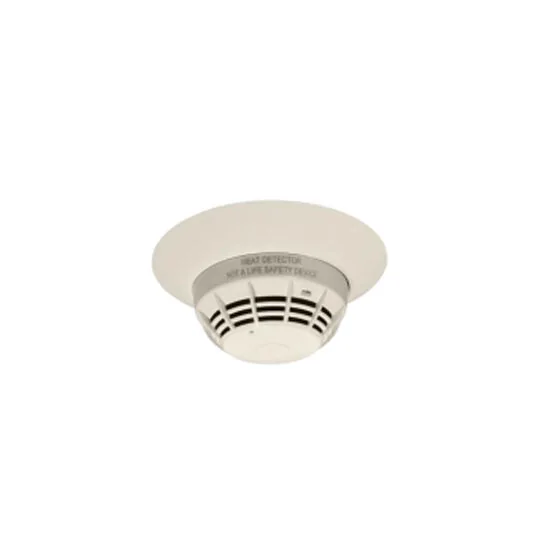
Heat detectors respond to temperature conditions and suit areas where heat-based detection is more appropriate than smoke.
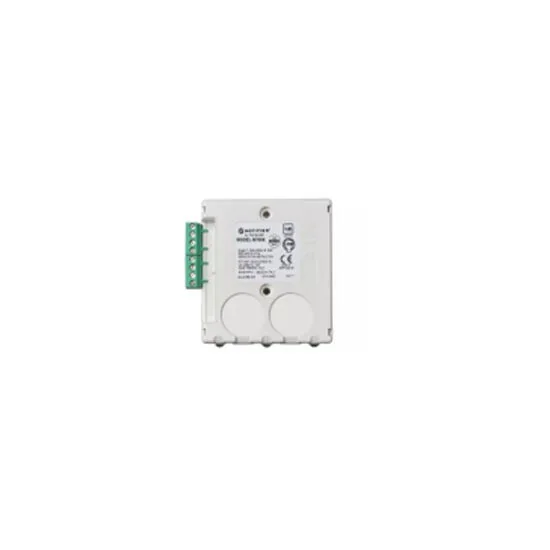
Isolator modules help manage circuit faults and maintain system availability within a fire alarm network.
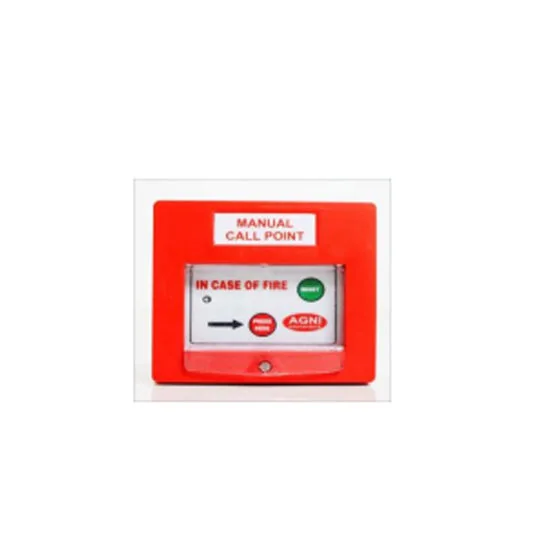
Manual call points let a person initiate a fire alarm manually when a fire or emergency condition is observed.
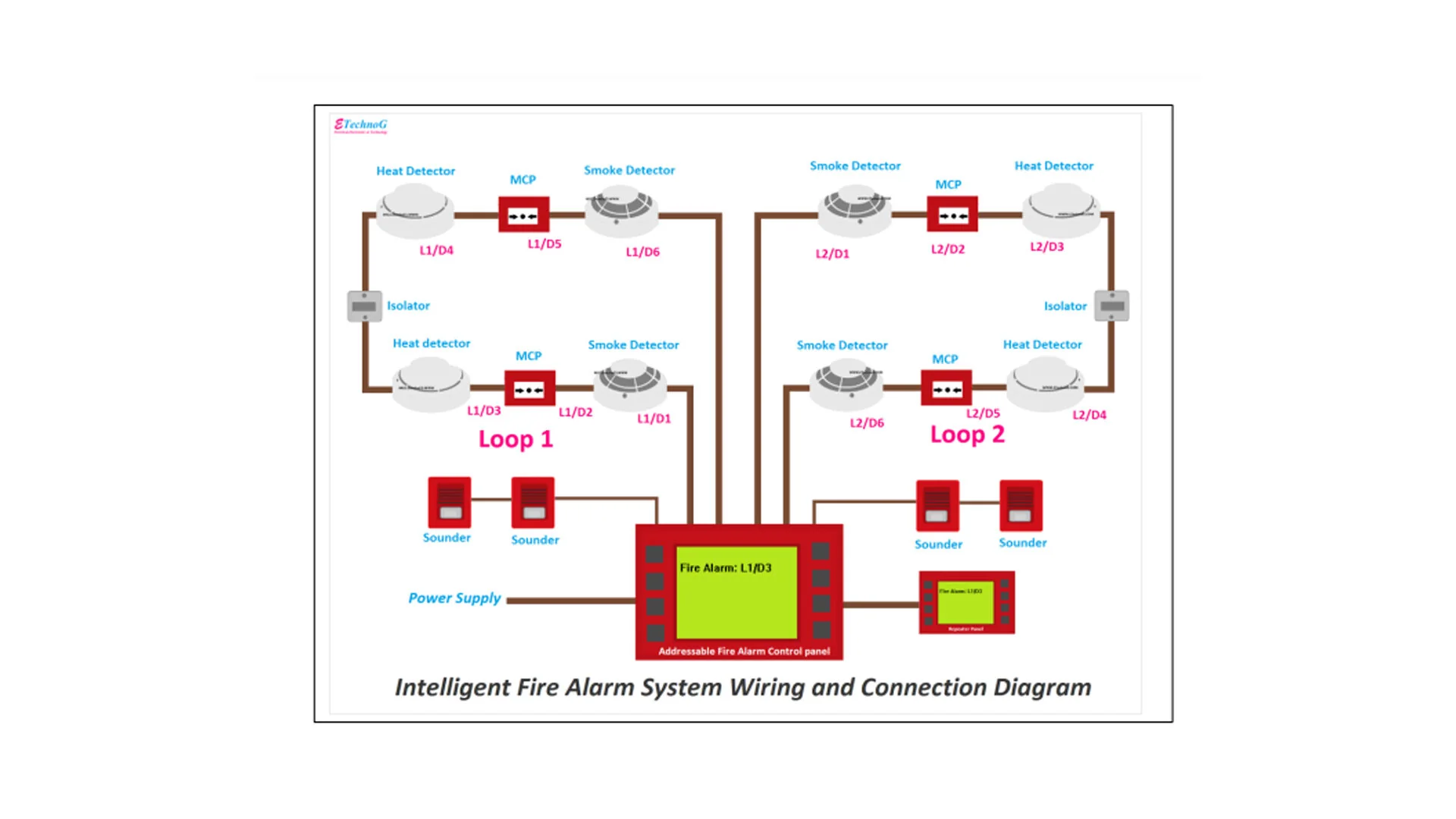
Fire protection projects usually combine equipment from several categories rather than a single item. The range shown makes up components that can form part of hydrant, sprinkler, alarm and suppression installations depending on the system design.
To set expectations clearly upfront: here's what we handle directly, and what always remains with the authority or the client, regardless of project size.
Before a building is occupied or used for business, most Indian states require a Fire NOC (No Objection Certificate). Skipping or rushing a step here is what usually causes delays later, so here's the general sequence we follow.
Fire protection rarely stands alone on a building project. Mechanical, electrical and ventilation systems interface with fire safety requirements, so early coordination helps establish the overall technical scope.
HVAC design and project support for commercial, industrial, healthcare, hotel and other building applications.
Electrical systems and control solutions that are part of the broader MEP infrastructure of commercial and industrial projects.
Ventilation and exhaust solutions for buildings, parking areas, industrial spaces and specific applications.
Project support and cooling tower engineering for facilities where heat rejection is a key part of the mechanical system.
Project coverage and engineering work of Sofia Cooltech Engineers across diverse regions and building applications in India.
Testimonials and project experiences from clients who have worked with Sofia Cooltech Engineers.
Every fire protection project has its own mix of building usage, occupancy, equipment and technical requirements. If you already have drawings, a BOQ or a project brief, our team will review it and discuss the right engineering scope, including Fire NOC support.
You can also learn more about Sofia Cooltech Engineers, read our client testimonials, or explore our India project coverage before getting in touch.